 Having been on the road with my daughter now for over a week on my April Adventure road trip throughout central, northern and western Queensland, and heading north through the Northern Territory to Darwin, I’ve managed to settle in and really enjoy myself despite feeling unprepared and unorganised when we started. I’ve fairly easily challenged some of my underlying fears and assumptions about travel including leaving half my family behind, not researching details about the route and destinations, not planning my return flight home when I leave my daughter in the tropical north to start her new job, being female and camping in out-of-the-way places and driving on remote roads, and the list goes on.

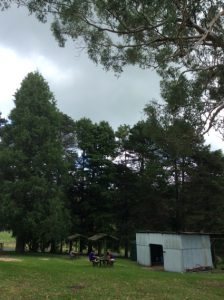
My latest challenge came only last night. Arriving at Elsey National Park near Mataranka I felt somewhat unsettled. I couldn’t put my finger on exactly what it was about. The environment was not like any I’d spent time in before. It looked like a combination of wetlands and dry scrub with earth that appeared to be recently wet with rain but had since dried to a fine powder as silt does after a flood. There was a plethora of wildlife. The insects were very diverse, big and plentiful. I saw some grasshoppers that reminded me of the vivid yellow plastic toy grasshoppers you can buy in cheap toy packs from the dollar stores. The sounds of the bush here also seemed strange and haunting. I couldn’t tell the difference between bird and insect calls, or perhaps even other animals yet unseen. It was eerily quiet with only one other campsite inhabited by humans and the campgrounds extended well beyond sight in every direction. The facilities buildings were half fenced off and I was curious about this but couldn’t think of any rational reason why they would be fenced in this unusual way.
We decided on a campsite with some shade, green grass and a picnic table, and before we even set up camp we had a short walk around the area. A sudden loud rustle in the bushes next to us startled me. Turning around and expecting to see a wallaby, my daughter tells me I wouldn’t want to know what made that noise. On further enquiry she tells me it was a rather large snake, and I began to seriously wonder about moving our campsite further away from said snake.
 My uneasiness only increased as the evening rolled on and in particular when we came face to face with another snake only a few metres from our tents. Still, I wandered why the uneasiness was there in the first place. Was I sensing a spiritual presence? Was it simply that everything seemed strange and unfamiliar? Or perhaps the absence of other humans? Was I simply tired and misreading my intuition? Was it FEAR welling up and testing my inner strength?
But how to handle this uneasiness? I decided to take some of my own advice and implemented these strategies:
- I chose to “be” with my uneasiness. I acknowledged how I truly felt instead of denying or avoiding it.
- I shared my feelings and concerns with my daughter, getting them out into the open instead of hiding them away and pretending they didn’t exist as I would have in the past.
- I listened and looked, tuning into my surroundings in the present time, focusing on grounding myself to the moment rather than flying off into a fantastical and irrational anxiety about what might happen.
- I set an intention to be open to possibilities and new experiences. Instead of being closed-minded and putting up barriers to enjoying myself, I chose to embrace the experience and adopt an adventurous mindset.
- I intentionally invoked a relaxation response when I noticed my anxiety rising. I brought my attention to my breath and let go of the physical tension that I felt.
- I used rational and logical self-talk such as “Just because I’ve seen a snake (or two) close to camp doesn’t mean I’m in any greater danger than if I hadn’t seen them”; “Not all snakes are deadly”; “We have a snake bandage on us at all times and an emergency signalling system if we need to use it”;
- I immersed myself in the sounds of the night as I went to sleep, setting an intention of getting to know them better; an intention of curiosity, wonder and awe.
- I also created an action to take during the night that however irrational it was, it really helped! It may seem funny to anyone else, and in fact it does to me now too! Whenever I stirred during the night and noticed that I’d rolled off my camping mattress or that I was touching the sides of the tent, I rolled back onto the mattress telling myself I can go to sleep safely now because no snake can bite me through the mattress even if does manage to slither its way under my tent!
 And so I survived. In fact I thrived and had possibly the best sleep so far on my April Adventure. I awoke before dawn, spent a couple of hours silently meditating, embracing my surroundings and feeling entirely captivated by what seemed so haunting and difficult the day before. I feel an immense sense of satisfaction that I didn’t allow my anxiety to rule and limit me. I chose to respect it but also to stand up to it. In doing so I’ve come to know an amazing spiritual aspect of this sacred land which I may not ever understand, but I can accept it and embrace it. And when I do that, I also accept and embrace myself.
Discovering mountain biking as life’s ultimate parallel universe in her middle age,  Kathryn Walton shares information and reflections in Daisy Spoke that connect, inspire and self-empower women to make healthy choices for themselves. She integrates her love of physical exercise, family, nature, gardening and creative arts with her professional background in mental health social work to facilitate change with individuals, groups and communities of women who are committed to living life to the full.
 My Year of Adventure in fact began on New Year’s Eve as I set off on a week long road trip with my family to Melbourne and back home again traversing half the eastern side of Australia. With one daughter now settled in Victoria, I refocused my attention on developing new online programs and resources for women. I was thrilled to take my “February Adventure” to Hahndorf in South Australia to participate in and present at the Thriving Women 2018 conference. My “March Adventure” was closer to home with weekends and day trips to several magnificent National Parks, immersing myself in one of my great loves – bushwalking.
 a lot of “what if’s” and identified as a fearful and hesitant adventurer rather than a brave one. My April Adventure has brought up a number of ‘firsts’ for me – I’ve left half my family behind, I’m travelling with only one companion (my younger daughter) through some fairly remote parts of Australia, I’m camping in a tent by myself, I’m having to step up and make decisions I’ve not been responsible for previously, and I’m operating a business far from home and frequently without mobile reception or internet connection.


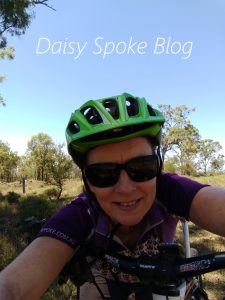 Daily exercise and general physical activity are crucial elements of feeling good. Just as some people might need to diligently take medication every day, I need to exercise every day. Exercise is nature’s way of stimulating the hormones which aid concentration, problem-solving, sleep, digestion, and mood. This daily dose of exercise rebalances our body’s systems resulting in wide-ranging benefits that no single medication can provide. The research is absolutely clear that regular medium to high intensity exercise can have a profound effect on health AND happiness.
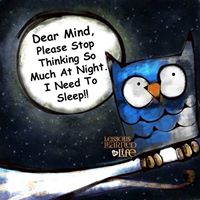
 Minds are such complex things! They wield a lot of power over our emotions and our actions (including sleep). But unless you notice what’s going on in your mind, and choose how much power to give it, your thoughts, assumptions and beliefs will control you instead of the other way around. The habit of being hooked by thoughts or strongly attached to them is limiting and anxiety-provoking. The key here is to begin by simply noticing what is happening in your mind, and by doing this with curiosity and without judgement. The power is in the noticing. You’ll collect all sorts of interesting bits of information about how your mind works, what thinking patterns it gets locked into, what beliefs and assumptions are behind it all, and how all of this impacts your physiology, your behaviours and your emotions. One of my favourite sayings is “Don’t believe everything you think!” because we can learn to stand back, notice the thought and choose whether to believe it, or not.

 Click here to read my last blog post
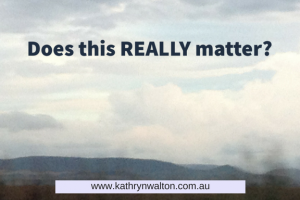
 example of mine was
 You can collect them from songs, poems, books and social media in addition to listening to your own inner wisdom. Write them on sticky notes, in a journal or diary, print out visual reminders to stick around your home or workplace, or even use them as screen savers and wallpapers on your electronic devices. Some examples include “Just do it”, “One drop raises the ocean”, “Keep it simple”, “Just breathe”, “Stand tall”.
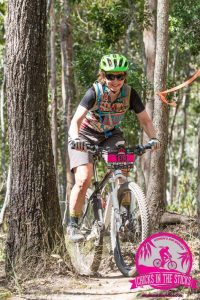 lying on the beach, your stresses trickling away into the sand beneath you) or to help you progress towards a goal (eg visualise yourself speaking in front of an audience, feeling confident, upright posture, smiling, relaxed). When I’m feeling nervous about riding my bike on a particular section of track, I stop for a few moments and picture myself riding it the way I want it to go, as if I’m watching a short video of myself successfully negotiating that section. It truly is a powerful mind-based strategy and one you can use in every area of your life.
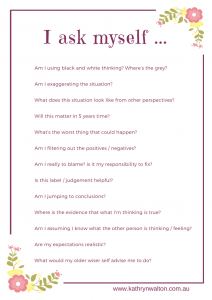 the mix. And to help you keep your strategies in play, I’ve created a free printable for you. “I ask myself …” is a beautiful keepsake of the helpful questions listed above. You can
 I have an EXCITING OFFER for you!
 thought, we often don’t even realise that we’ve grabbed hold of it. We can become firmly attached to it and we can have difficulty letting it go. We can find ourselves stuck, squirming and wriggling with the discomfort just as a fish does as it’s reeled in from the water.
 Daily practice of simply noticing your thoughts as they arise during an activity helps to train your brain to notice thoughts arising at other times, and to notice that they are simply thoughts or mental events. If you find the fish hook imagery useful, you can notice the hooks (or thoughts) being cast out, and you can notice which hooks (or thoughts) you cling on to.
 Kathryn Walton shares information and reflections in Daisy Spoke that connect, inspire and self-empower women to make healthy choices for themselves.

 whole race. On the physical side there were the cramps and nausea right from the start, and mentally I was hypervigilant about the other riders around me and fearful that I’d mess up on the technical features. When I finished I only felt relief, and no great desire to repeat the experience. After some time to reflect I became determined not to give in, not to let this beat me, and I had a strong sense that I needed to go back to Chicks in the Sticks this year with a new goal of finding enjoyment in the process of racing.


 On my second last lap I had a quick stop for more water and felt a bit disturbed when another rider had a nasty fall. It could have been me. It could have been any of us. I rode more mindfully after that, knowing that I was getting tired and this is when accidents are more likely to occur. On my last lap I wriggled my right toes which had been feeling numb through the race and then the cramp struck me! Repeatedly! But I kept going and was able to laugh it off without falling off! Hmmm…. I thought ….. maybe I didn’t get my nutrition and hydration quite right! But I didn’t care. I hadn’t felt nauseous at all so I knew I’d done better than last year!
 So, what are these foundation stones of wellness? There are four main foundation stones that I work on with my clients as well as in my own personal life. Each of the stones support each other – they are interlinked – and they are a fabulous place to start building or renovating wellness at any time! The foundations are based on solid evidence that is routinely used in the mental health sector.
 Basically, people are designed to move … a lot. When we don’t move enough, we are at greater risk of switching into a depressed or anxious state. It’s simple biology. Get moving, get active, get off the sofa, and move as much as you can and often as you can. For most of us it’s recommended to aim for about an hour of moderate intensity exercise or activity each day, and limit our screen time to 2 hours per day. The combined mental and physical health benefits of exercise / activity cannot be replaced by any medication. If you are in pain, or have limited movement, injuries, or chronic disease, the best idea is to do what you can. Remember always check with your doctor or health professional if you have any concerns about your health, exercise, and resting needs.
 3. Nutrition